Acquistare un pavimento laminato: cosa conta davvero nella scelta e nella qualità
Il pavimento laminato è senza dubbio uno dei rivestimenti per pavimenti più apprezzati – e a ragione. Anzi, per molte ragioni. Questo pavimento versatile colpisce soprattutto per l’aspetto autentico, ma è anche molto durevole, si posa facilmente anche senza anni di esperienza nel fai-da-te ed è subito completamente calpestabile. Inoltre esistono diverse classi di utilizzo, pensate per esigenze differenti. Non da ultimo, il laminato è disponibile in un’ampia varietà di decori e formati, così da trovare la soluzione giusta per quasi ogni gusto e necessità – a un prezzo generalmente più conveniente rispetto ad altri pavimenti come il parquet.
Ma da cosa è composta esattamente una doga in laminato? Cosa significano le diverse classi di utilizzo? E quale decorazione si adatta meglio a ogni ambiente? In questa guida compatta trova le risposte alle domande più importanti sul pavimento laminato.
Acquistare pavimento laminato su planeo: cosa trova da noi
Per noi, il servizio clienti è una vera priorità. Per questo, su planeo Le offriamo un’assistenza completa con diverse prestazioni che La supportano nell’acquisto e nella posa del Suo nuovo pavimento laminato:
- Servizio offerta “miglior prezzo”: richieda un’offerta senza impegno direttamente sull’articolo desiderato e riceva entro 24 ore il Suo miglior prezzo personalizzato.
- Fino a 5 (!) campioni originali gratuiti: ordini i campioni dei pavimenti preferiti e li confronti con calma a casa, alla luce naturale e con illuminazione artificiale.
- Servizio artigiani: attivi il nostro servizio artigiani in fase d’ordine e riceva, tramite il partner “Blauarbeit”, offerte da professionisti qualificati nella Sua zona entro 24 ore. Mediazione e richiesta tramite “Blauarbeit” sono gratuite per Lei.
- Canale YouTube dedicato: non sa da dove iniziare o Le manca l’idea giusta per il pavimento? Si lasci ispirare e motivare dai video dei nostri professionisti con tutorial di posa, se preferisce fare da sé.
- Spedizione express: quando possibile, su richiesta consegniamo l’ordine in modo rapido e comodo fino a casa Sua tramite spedizione con corriere/spedizioniere.
Classi di utilizzo e ambiti d’impiego del laminato
Una delle caratteristiche più importanti di un pavimento laminato è la classe di utilizzo. È definita in modo preciso (DIN EN 685 / EN 685) e indica quanto un pavimento può essere sollecitato senza mostrare prematuramente segni di usura. La classe di utilizzo è composta da due cifre: la prima indica l’ambito (2 = uso residenziale; 3 = uso commerciale/professionale), la seconda la resistenza (1 = bassa; 2 = media; 3 = alta).
Ne risultano le seguenti classi di utilizzo:
| Classe di utilizzo | Utilizzo | Esempi |
|---|
| 21 |
Abitazioni – utilizzo leggero |
camera da letto, camera degli ospiti |
| 22 |
Abitazioni – utilizzo medio |
soggiorno, sala da pranzo, corridoi interni |
| 23 |
Abitazioni – utilizzo intenso |
cucina, ingresso, ufficio in casa (home office) |
| 31 |
Aree poco frequentate |
camera d’hotel, piccoli uffici, sale riunioni |
| 32 |
Aree spesso sollecitate |
asili/infanzia, sale d’attesa, boutique |
| 33 |
Aree sollecitate in modo continuativo |
open space, grandi magazzini, edifici pubblici |
Il pavimento laminato giusto per ogni ambiente
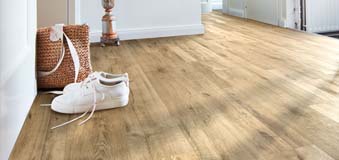
Pavimento laminato per soggiorno e camere da letto
In linea di massima, può posare quasi qualsiasi pavimento laminato del nostro assortimento. Consigliamo però almeno una classe di utilizzo 23 e una classe AC3, così da godersi il nuovo pavimento per molti anni.
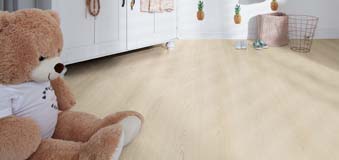
Pavimento laminato per la cameretta
Nella cameretta non conta solo la classe di utilizzo, ma anche la superficie. Consigliamo laminati con goffratura sincronizzata, la cui struttura offre un appoggio più sicuro ai piedini e alle ginocchia quando i bambini gattonano e giocano sul pavimento. I nostri pavimenti resistenti all’acqua sono particolarmente adatti alle camerette, perché liquidi come bevande rovesciate non li danneggiano facilmente.
Pavimento laminato per cucina, ingresso/corridoio e bagno di servizio
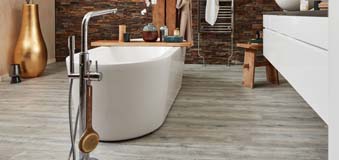
In queste aree il pavimento deve sopportare molto di più ed essere il più possibile poco sensibile a umidità e sporco. Qui consigliamo una classe di utilizzo almeno 32 e una classe AC4. Verifichi inoltre la caratteristica prodotto resistente all’acqua.
Il nostro consiglio: in caso di dubbio, scelga una classe di utilizzo più alta. La differenza di prezzo al metro quadrato è contenuta, ma il vantaggio in termini di durata si percepisce chiaramente.
Decori e design: la varietà del laminato
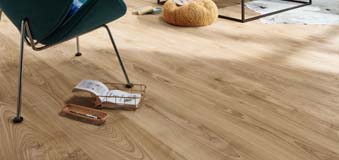
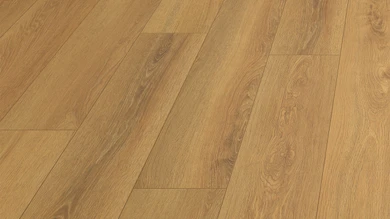
La varietà estetica del pavimento laminato si è evoluta molto negli ultimi anni. In passato, l’effetto rovere classico nel formato 3 strip (tre listelli) era considerato lo standard. Oggi la gamma di decori va ben oltre e soddisfa anche preferenze più originali. Ed è un bene: ogni decoro crea un’atmosfera e un impatto visivo che può valorizzare l’arredo degli ambienti. Nel nostro assortimento trova, tra gli altri:
- Rovere classico in diverse varianti (versatile)
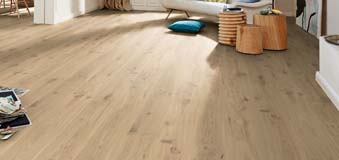
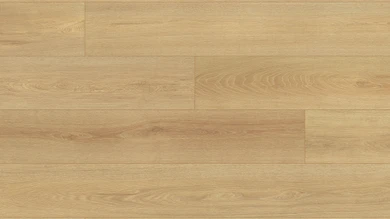
- Legni chiari, come l’acero, per ambienti moderni e luminosi
- Decori noce scuro per un’atmosfera calda e accogliente
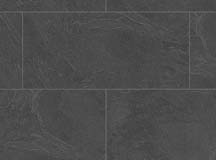
- Effetti ardesia, cemento e piastrella per un look essenziale e contemporaneo
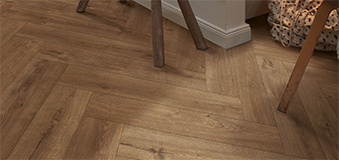
Da sapere: l’effetto sull’ambiente dipende non solo dal decoro, ma anche dal formato. Ad esempio, i listoni larghi rendono lo spazio più ampio e moderno. Il decoro classico 3 strip si caratterizza invece per un ritmo più vivace, che dà movimento alla stanza. E il formato a spina di pesce, oggi molto richiesto, richiama visivamente un vero parquet e dona a ingressi/corridoi e soggiorni un carattere più rappresentativo, pur restando nettamente più conveniente rispetto a un pavimento in legno massello molto desiderato.
Il nostro consiglio: sullo schermo i decori spesso appaiono diversi rispetto a casa. In particolare, temperatura colore e struttura superficiale possono variare molto a seconda del dispositivo, quindi online è difficile valutarle. Per questo consigliamo di ordinare in anticipo campioni gratuiti dei preferiti e confrontarli a casa, con condizioni di luce reali. Scopra il nostro assortimento e scelga i modelli che Le piacciono di più.
Posa del pavimento laminato
Il laminato moderno con sistema a clic è progettato in modo che possa essere posato anche da chi non è professionista. Il principio è molto semplice: le doghe non vengono incollate, ma posate in posa flottante sul sottofondo esistente. Il fissaggio avviene tramite il sistema a clic integrato, con cui le singole doghe si incastrano tra loro. In genere bastano pochi attrezzi:
- un seghetto alternativo oppure, in alternativa, un taglia-laminato
- un tassello di battuta e un tiralamina
- una scatola di cunei distanziatori
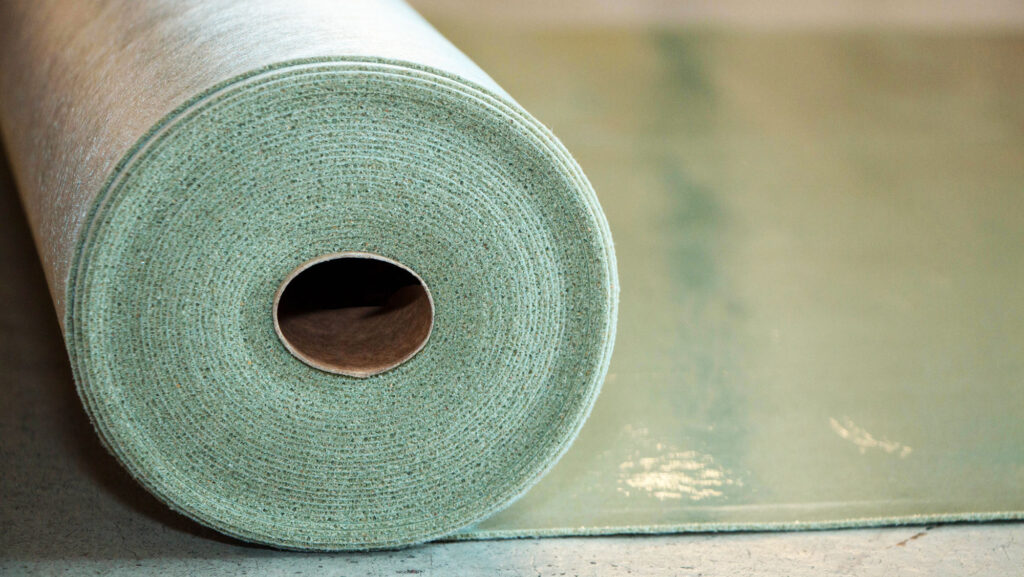
Il nostro consiglio: se non è già integrato nel pavimento, posi prima sotto il laminato un sottopavimento fonoassorbente adeguato. Riduce sensibilmente il rumore del calpestio e aumenta il comfort abitativo.
Durante la posa, lasci lungo tutto il perimetro circa 10 mm di giunto di dilatazione dalla parete. In questo modo il pavimento può dilatarsi con le variazioni di temperatura senza urtare il muro. Sul nostro canale YouTube trova utili guide passo-passo dei nostri esperti. Se preferisce far posare il laminato da professionisti, può aggiungere il nostro servizio artigiani direttamente in fase d’ordine.
Da sapere: il laminato può essere posato su quasi qualsiasi supporto piano; anche con riscaldamento a pavimento di norma non è un problema. Si attenga però sempre all’autorizzazione/alle indicazioni del produttore.
Cura e pulizia dei pavimenti laminati
Uno dei motivi per cui il laminato è così apprezzato è la facilità di pulizia. Nella vita quotidiana è sufficiente passare regolarmente l’aspirapolvere oppure pulire con un panno appena umido, ben strizzato. Non utilizzi un pulitore a vapore, perché calore e umidità possono danneggiare lo strato d’usura e gli incastri a clic. Eviti anche creme abrasive e detergenti aggressivi, che possono rendere la superficie più ruvida.
Se deve rimuovere macchie ostinate, consigliamo detergenti specifici per laminato che non lasciano aloni. I prodotti giusti li trova nella sezione “Cura del pavimento”. Con la manutenzione corretta, il Suo nuovo pavimento laminato resterà bello a lungo e manterrà il suo aspetto anche dopo molti anni, proprio come il primo giorno.
Struttura e materiali: cosa c’è dentro una doga in laminato?
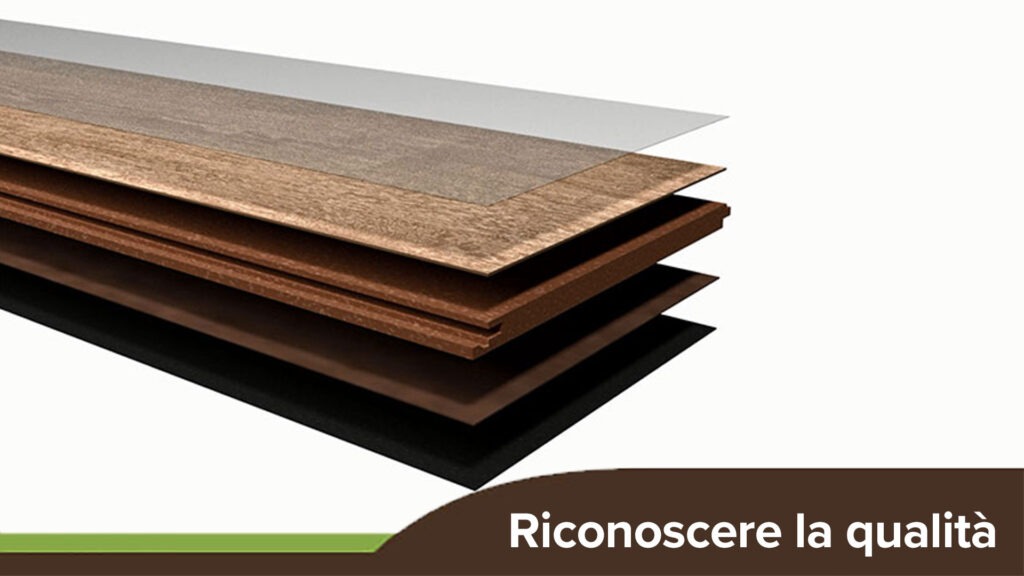
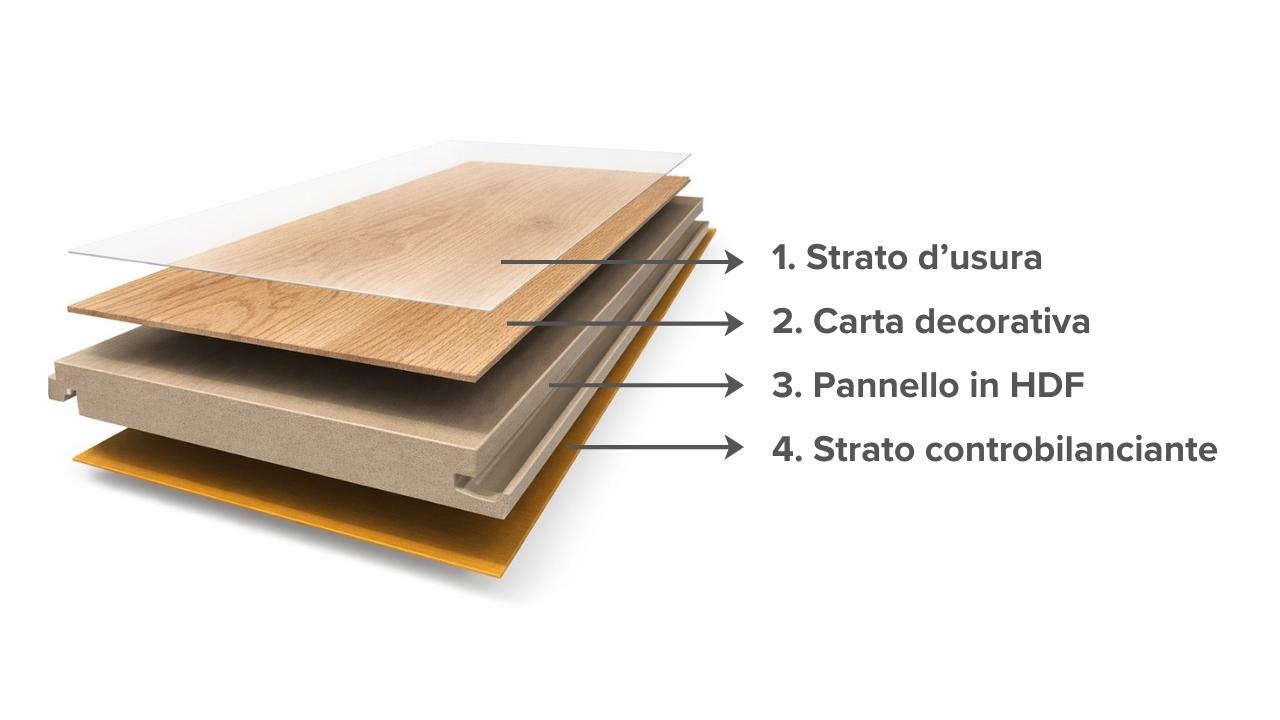
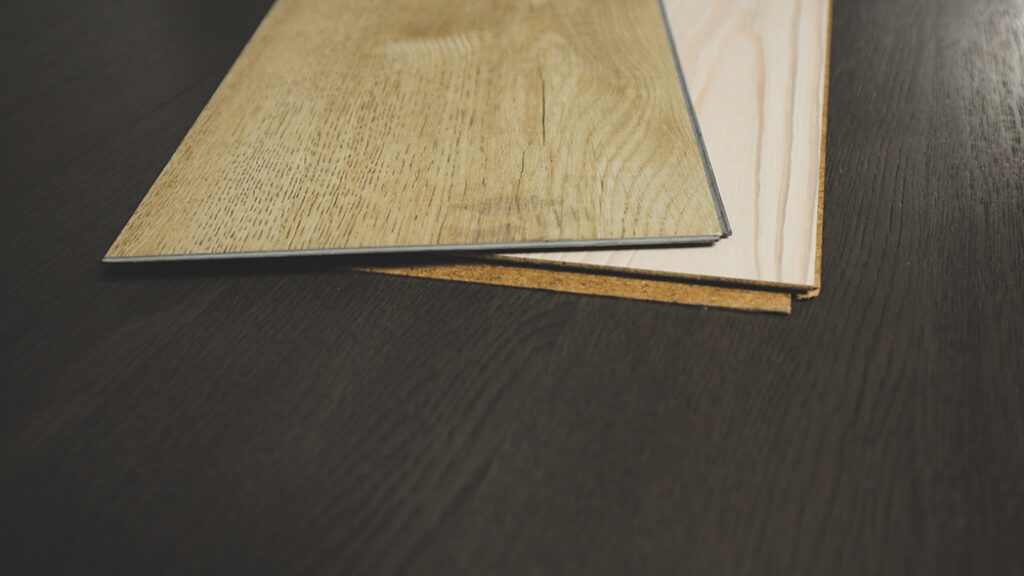
Una doga in laminato classica è composta da quattro strati, ognuno con una funzione specifica. A seconda di come sono realizzati questi strati, cambia la resistenza della doga e quindi la sua idoneità a diversi ambiti di utilizzo. I 4 strati sono (dall’alto verso il basso): strato d’usura (overlay), carta decorativa, pannello in HDF e strato controbilanciante.
Strato 1: strato d’usura (overlay)
Il cosiddetto strato d’usura costituisce la superficie della doga in laminato. Si tratta di una protezione trasparente in resina melaminica, che protegge lo strato decorativo sottostante da usura, graffi, macchie e raggi UV. Regola pratica: più lo strato d’usura è spesso, più alta è la classe di abrasione (classe AC) e migliore è la funzione protettiva.
Strato 2: carta decorativa
Subito sotto lo strato d’usura si trova la carta decorativa, responsabile dell’aspetto estetico della doga. Grazie a moderne tecniche di stampa, questa carta speciale riproduce diversi design, ad esempio una venatura del legno, una struttura in pietra o un motivo a piastrelle. Il risultato è così realistico che, a occhio nudo, spesso è difficile distinguere l’originale. Questo vale ancora di più per i laminati con goffratura sincronizzata: in fabbrica al decoro stampato viene abbinata una struttura superficiale percepibile al tatto. Così la venatura non solo si vede, ma si sente anche.
Strato 3: pannello in HDF
Lo strato più spesso è il pannello in HDF. Si trova direttamente sotto la carta decorativa e garantisce stabilità e resistenza alla deformazione della doga. Il pannello è dotato sui bordi di un sistema a clic, con cui può assemblare le doghe in modo semplice e veloce. Per ambienti come cucina e ingresso/corridoio, dove il pavimento entra più spesso in contatto con liquidi o sporco umido, consigliamo doghe con bordi impregnati o sigillati (protezione anti-gonfiamento) del nostro assortimento. Questo aiuta a limitare ulteriormente la penetrazione dell’umidità nel cuore in fibre di legno ad alta densità.
Strato 4: strato controbilanciante / lato inferiore
Lo strato più basso è il cosiddetto strato controbilanciante. È realizzato con un materiale impregnato (carta o plastica) che impedisce all’umidità di risalire dal basso e penetrare nella doga. Grazie a questo strato, la doga non si imbarca anche in caso di contatto occasionale con umidità proveniente dal sottofondo.
Buono a sapersi: ogni pavimento laminato richiede un buon sottopavimento fonoassorbente (isolamento acustico al calpestio). Molti pavimenti del nostro assortimento sono già dotati in fabbrica di un sottopavimento integrato sul lato inferiore: così si risparmia un passaggio durante la posa. Se il pavimento scelto non ha un isolamento integrato, dovrà posarlo separatamente. Tutti i materiali necessari possono essere ordinati da noi comodamente online a prezzi convenienti.





 26/07/2024
  0
0  ca. 14 Min.